 LANGUAGE


Back Pain After a Car Accident
Back Pain After a Car Accident: Causes, Symptoms & Treatment
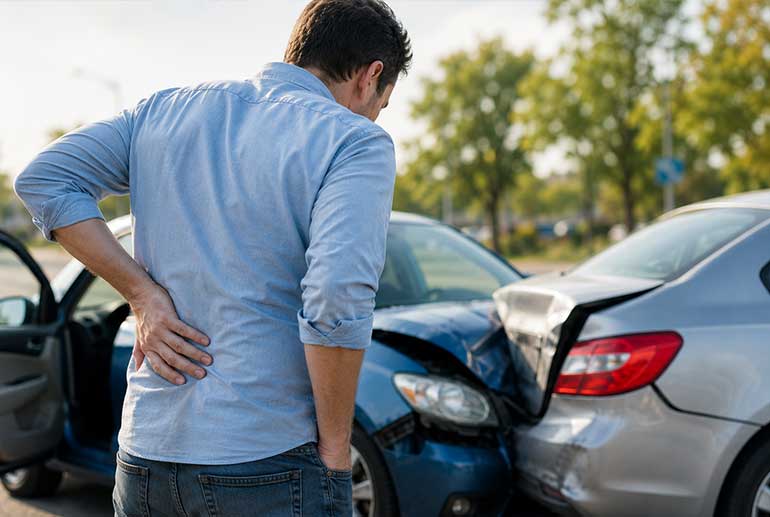
Back pain is one of the most common complaints following a car accident. The sudden force of a collision can affect the muscles, ligaments, joints, spinal discs, and nerves in the lower or upper back, even when the accident occurs at a relatively low speed. Some people experience pain immediately, while others develop stiffness, soreness, or radiating pain hours or days later. Common online searches include “back pain after car accident,” “car accident chiropractor Miami,” “back pain treatment Miami,” “auto accident chiropractor,” and “car accident injury treatment.” Understanding what may be causing back pain after an accident can help patients recognize when they should seek an evaluation and begin appropriate treatment.
Why Car Accidents Can Cause Back Pain
During a motor vehicle collision, the body can be subjected to rapid acceleration, deceleration, twisting, and impact forces. These movements can place considerable stress on the spine and surrounding soft tissues. Muscles and ligaments may become strained, spinal joints may lose normal mobility, and the force of an accident may aggravate or contribute to injuries involving the spinal discs. The severity of back pain does not always correspond with the apparent severity of the accident. Even when there is relatively little vehicle damage, occupants may still experience musculoskeletal injuries. A comprehensive examination can help determine which structures were affected and whether additional evaluation may be necessary.
Common Causes of Back Pain After a Car Accident
Back pain following an automobile accident can have several possible causes. Muscle strains and ligament sprains are common because the body's soft tissues may be stretched suddenly during impact. Injuries may also affect spinal joints or contribute to inflammation and restricted movement. Some accident victims may experience a herniated or bulging disc. When a damaged disc irritates or places pressure on a nearby nerve, pain may extend beyond the back and travel into the buttocks or legs. This type of radiating discomfort may be associated with sciatica and can sometimes occur together with numbness, tingling, or weakness. Because different injuries can produce similar symptoms, identifying the source of the pain is an important part of determining the appropriate treatment.
Why Back Pain May Be Delayed After an Accident
It is possible to leave the scene of an accident feeling relatively normal and develop significant back pain later. During a stressful event, the body releases hormones that can temporarily reduce the perception of pain. Inflammation, muscle tightness, and stiffness may become increasingly noticeable during the hours or days following the collision. For this reason, accident victims should pay attention to new or worsening symptoms rather than assuming that an absence of immediate pain means no injury occurred. Early evaluation can help identify accident-related injuries and establish an appropriate treatment plan.
How Chiropractic Care May Help With Accident-Related Back Pain
Chiropractic care focuses on evaluating the musculoskeletal problems contributing to a patient's pain and reduced mobility. Treatment is individualized according to the patient's examination findings, symptoms, injuries, and overall health. Depending on the condition, treatment may incorporate chiropractic adjustments, soft tissue therapy, therapeutic exercises, rehabilitation, or other conservative approaches designed to improve movement and function. When a disc injury is contributing to the patient's symptoms, spinal decompression therapy may also be considered when clinically appropriate. The goal is to address the underlying musculoskeletal injury rather than simply focusing on temporary pain relief.
When Should You See a Chiropractor After a Car Accident?
Patients experiencing back pain, stiffness, limited movement, muscle spasms, numbness, tingling, or pain traveling into the legs should consider being evaluated promptly after an accident. However, an evaluation may also be appropriate when symptoms initially seem minor because some accident-related injuries develop gradually. Prompt medical evaluation is especially important following a Florida motor vehicle accident because the timing of initial treatment can affect eligibility for certain Personal Injury Protection insurance benefits. Patients should not unnecessarily delay appropriate medical evaluation while waiting to see whether their symptoms become severe.
Need Help With Back Pain After a Car Accident?
Our experienced chiropractic team evaluates and treats patients suffering from back pain, neck pain, whiplash, sciatica, herniated discs, and other musculoskeletal injuries following automobile accidents. If you are experiencing pain after a collision, we can evaluate your condition and develop a personalized treatment plan based on your injuries and recovery needs.
Schedule a ConsultationFrequently Asked Questions
Is back pain normal after a car accident?
Back pain is a common complaint following motor vehicle accidents because collisions can affect muscles, ligaments, joints, spinal discs, and other structures of the back. An examination can help determine what is causing the pain.
Can back pain start days after a car accident?
Yes. Accident-related pain and stiffness may not become noticeable immediately. Inflammation and muscle tightness can develop after the collision, causing symptoms to appear or worsen later.
Can a car accident cause a herniated disc?
The forces involved in a motor vehicle accident may injure or aggravate spinal discs. A herniated or bulging disc may cause localized back pain or symptoms such as numbness, tingling, or pain that travels into an arm or leg.
Can chiropractic care help back pain after an accident?
Chiropractic care may be used as part of a conservative treatment plan for certain musculoskeletal injuries following an automobile accident. The appropriate treatment depends on the patient's diagnosis and examination findings.
Have any questions? Contact Us Now
Contact Us Now