 LANGUAGE


TMJ Treatment in Kendall & Miami, FL
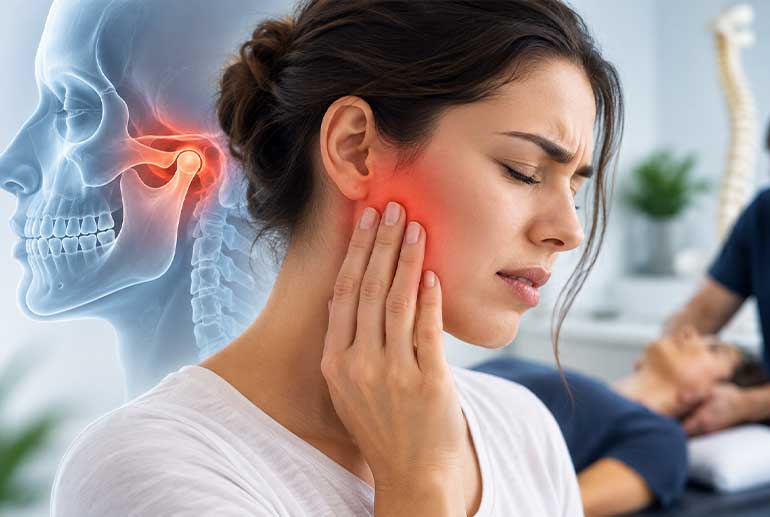
TMJ Treatment in Kendall & Miami, FL
Jaw pain, clicking or popping when you open your mouth, facial tension, headaches, and difficulty chewing may be associated with temporomandibular joint dysfunction, commonly referred to as TMJ or TMD. Because the jaw, neck muscles, and surrounding joints work together, problems affecting these areas can sometimes contribute to persistent discomfort.Call Now: (305) 270-8800
At Fernandez Family Chiropractic Center, we provide conservative care for patients experiencing TMJ-related jaw pain, muscle tension, headaches, neck discomfort, and other musculoskeletal symptoms. Our approach focuses on evaluating factors that may be contributing to your symptoms and developing an individualized treatment plan designed to improve function and reduce discomfort.If you are searching for TMJ treatment in Miami or Kendall, call Fernandez Family Chiropractic Center at (305) 270-8800 to schedule an evaluation.
What Is TMJ Dysfunction?
The temporomandibular joints connect your lower jaw to your skull and allow your jaw to move when you speak, chew, yawn, and swallow. These joints work together with the jaw muscles, ligaments, and surrounding structures to control jaw movement. When the joint or surrounding muscles are irritated or not functioning properly, you may develop temporomandibular disorder, often called TMD. Many patients simply refer to the condition as TMJ. TMJ problems can produce symptoms directly around the jaw, but discomfort may also extend into the face, head, neck, shoulders, and ears.
Common Symptoms of TMJ Dysfunction
TMJ symptoms can vary considerably from one person to another. Some people primarily experience pain around the jaw, while others notice headaches, neck tension, or difficulty moving the jaw normally. Common symptoms may include jaw pain or tenderness, clicking or popping when opening the mouth, facial pain, difficulty chewing, jaw stiffness, limited jaw movement, headaches, neck pain, muscle tension, discomfort around the ears, and pain that becomes worse with chewing or yawning. Some people may also experience episodes where the jaw feels as though it is catching or locking. Because similar symptoms can have many different causes, an evaluation is important before determining the appropriate treatment.
What Causes TMJ and Jaw Pain?
TMJ dysfunction does not always have a single identifiable cause. Symptoms can develop because of stress on the jaw joint, tight or overworked muscles, injury, repetitive jaw movements, or problems involving surrounding structures. Possible contributing factors may include tooth grinding or clenching, trauma to the jaw or face, automobile accidents, muscle tension, poor head and neck posture, arthritis affecting the joint, repetitive chewing, and abnormalities in jaw movement. Neck dysfunction may also contribute to symptoms in some patients because the muscles and nerves of the jaw, head, and cervical spine are closely interconnected. Determining what may be contributing to your symptoms allows us to develop a more individualized approach to care.
TMJ Treatment in Miami
Treatment for TMJ symptoms depends on their cause and severity. At Fernandez Family Chiropractic Center, our goal is to identify musculoskeletal factors that may be contributing to jaw discomfort and determine whether conservative treatment is appropriate. Depending on your evaluation, treatment may include chiropractic care, soft-tissue techniques, therapeutic exercises, rehabilitation, posture correction, and other conservative approaches designed to improve movement and reduce strain on sensitive muscles and joints. Patients whose symptoms suggest a dental, neurological, or other medical cause may also require evaluation by the appropriate healthcare professional.
Chiropractic Care for TMJ and Jaw Pain
The jaw does not function independently. The movement and positioning of the head, neck, shoulders, and upper spine may influence the muscles involved in jaw function. For patients whose TMJ symptoms have a musculoskeletal component, chiropractic treatment may focus on improving mobility and addressing dysfunction involving the neck and surrounding areas. The specific treatment approach is based on each patient's examination findings and individual symptoms.
TMJ, Neck Pain, and Posture
People who spend long periods working at computers, looking down at phones, driving, or sitting with their head positioned forward may develop increased tension throughout the neck and upper back. This type of posture can place additional stress on muscles that help support the head and jaw. When associated with TMJ-related symptoms, improving movement and addressing muscular tension may be an important part of conservative care. Addressing these associated problems may help support more comfortable TMJ function.
TMJ Headaches and Facial Pain
Headaches are frequently reported by people experiencing TMJ dysfunction. Tight muscles around the jaw, temples, neck, and shoulders may contribute to pain that spreads throughout the head and face. Some patients may benefit from conservative care focused on improving jaw and neck movement and reducing muscular tension. Because headaches have many possible causes, it is important to determine whether jaw or neck dysfunction may be contributing to the symptoms. If your evaluation suggests another underlying cause, additional medical or dental evaluation may be recommended.
Jaw Clicking and Popping
Clicking or popping sounds in the jaw can occur for several reasons involving the temporomandibular joint and its surrounding structures. However, jaw noises accompanied by pain, restricted movement, tenderness, locking, headaches, or difficulty chewing should be evaluated. An examination can help determine how your jaw is moving and whether surrounding muscles or joints may be contributing to your symptoms.
TMJ Pain After a Car Accident
Automobile accidents can sometimes cause injuries involving the head, neck, jaw, and surrounding muscles. Even when the jaw does not directly strike an object, the forces involved in an accident may contribute to neck and facial symptoms. Patients may notice jaw pain, headaches, neck stiffness, muscle spasms, or discomfort while chewing following a collision. Fernandez Family Chiropractic Center provides evaluation and conservative care for auto accident injuries in Miami and Kendall. When appropriate, TMJ-related symptoms can be evaluated as part of a broader assessment of accident-related neck and musculoskeletal injuries.
Massage Therapy and Soft-Tissue Care for TMJ Symptoms
Tight or overworked muscles in the jaw, neck, shoulders, and surrounding areas may contribute to discomfort in some patients with TMJ symptoms. Soft-tissue techniques may be used to address muscular tension and improve comfort when appropriate. Treatment is individualized according to the patient's symptoms, examination findings, and overall condition.
Physical Therapy and Rehabilitation for TMJ-Related Pain
Therapeutic exercises and rehabilitation may also be appropriate for some patients. Depending on the evaluation, care may include exercises and movement strategies focused on the jaw, neck, and surrounding areas, along with recommendations for improving posture and movement. Patients may also receive recommendations regarding daily habits that could be placing unnecessary stress on the jaw and neck.
Our Integrated Approach to TMJ Treatment
At Fernandez Family Chiropractic Center, we work with patients to develop individualized treatment plans for their specific symptoms. Your evaluation may include your history, symptoms, posture, neck mobility, muscle tension, jaw movement, and other factors that could be contributing to your jaw pain. Depending on the findings, your individualized care plan may incorporate chiropractic adjustments, soft-tissue therapy, massage therapy, physical therapy, therapeutic exercises, posture recommendations, and other conservative options. If your condition requires dental or medical treatment outside the scope of chiropractic care, an appropriate referral may be recommended.
¿Tratamiento para TMJ y Dolor de Mandíbula en Miami y Kendall?
Fernandez Family Chiropractic Center ofrece atención bilingüe en inglés y español para pacientes que experimentan dolor de mandíbula, tensión muscular, dolor de cuello, dolores de cabeza y otros síntomas que pueden estar relacionados con la articulación temporomandibular. Nuestro enfoque comienza con una evaluación para identificar los factores musculoesqueléticos que pueden estar contribuyendo a sus síntomas. Dependiendo de los resultados, el tratamiento puede incluir cuidado quiropráctico, terapia de tejidos blandos, ejercicios terapéuticos, rehabilitación y recomendaciones para mejorar la postura y el movimiento. Para programar una evaluación, llame al (305) 270-8800.
Why Choose Fernandez Family Chiropractic Center for TMJ-Related Pain?
Fernandez Family Chiropractic Center has served patients in the Miami and Kendall area for more than 30 years. Dr. Roberto A. Fernandez provides individualized chiropractic care for patients experiencing musculoskeletal pain and injuries, including neck pain, headaches, auto accident injuries, nerve-related symptoms, and TMJ- related discomfort. Our Miami office provides access to multiple conservative treatment options in one location, including chiropractic care, massage and soft-tissue therapy, physical therapy, and rehabilitation. We also provide bilingual care in English and Spanish and accept most major insurance plans.
Schedule a TMJ and Jaw Pain Evaluation in Miami
You do not have to continue ignoring persistent jaw pain, headaches, clicking, muscle tension, or discomfort when chewing. An evaluation can help determine whether problems involving the jaw, neck, posture, or surrounding muscles may be contributing to your symptoms and whether conservative care is appropriate. Fernandez Family Chiropractic Center is conveniently located at 9950 SW 107th Ave #202, Miami, FL 33176, serving patients throughout Kendall and the greater Miami area. Call (305) 270-8800 to schedule your TMJ and jaw pain evaluation.
Frequently Asked Questions
1. Can a chiropractor help with TMJ pain?
Chiropractic care may be helpful when TMJ-related symptoms have a musculoskeletal component involving the neck, posture, joint mobility, or surrounding muscles. Treatment depends on the underlying cause, so an evaluation should be performed before recommending care.
2. Why does my jaw click or pop when I open my mouth?
Jaw clicking or popping can occur for several reasons involving the temporomandibular joint and its surrounding structures. Clicking without pain may not require treatment, but clicking accompanied by pain, locking, limited movement, or difficulty chewing should be evaluated.
3. Can TMJ cause headaches?
TMJ dysfunction may be associated with headaches in some people. Tension involving the jaw, temples, neck, and surrounding muscles can contribute to head and facial discomfort. Because headaches have many possible causes, persistent or severe headaches should be appropriately evaluated.
4. Can TMJ cause neck pain?
Jaw dysfunction and neck discomfort can occur together because the muscles and joints involved in positioning the head, neck, and jaw are closely connected. An evaluation can help determine whether cervical or postural problems may be contributing to your symptoms.
5. Can a car accident cause TMJ pain?
Trauma from an automobile accident may contribute to jaw, facial, neck, or muscular symptoms. Patients experiencing jaw pain after an accident should have their symptoms evaluated to determine the appropriate treatment.
6. Where can I find TMJ treatment in Kendall or Miami?
Fernandez Family Chiropractic Center provides conservative care for TMJ-related jaw pain and associated musculoskeletal symptoms at 9950 SW 107th Ave #202, Miami, FL 33176. Call (305) 270-8800 to schedule an evaluation.